

Blog
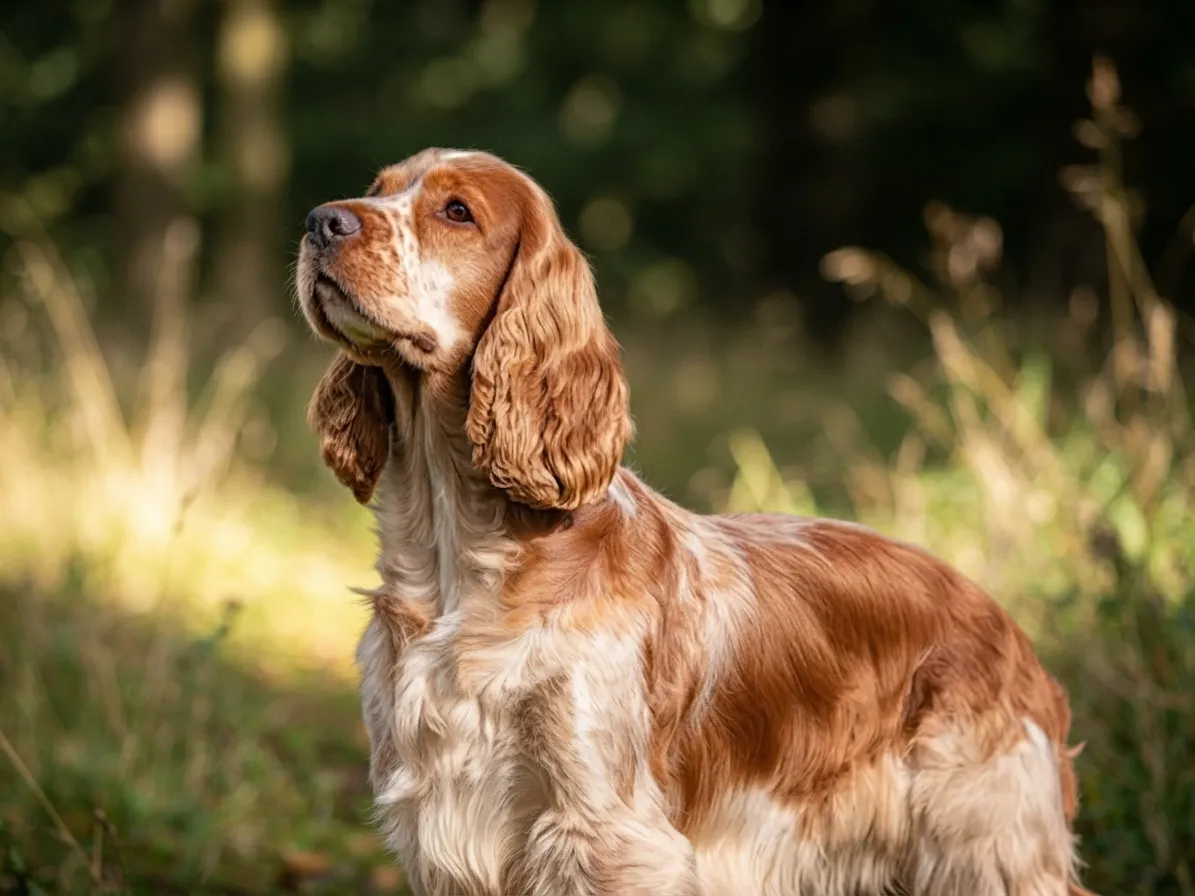
Working Cocker Spaniel: Complete Guide to Traits, Training and Daily Life

My working cocker, Lucia, came into my life a good few years after my show cocker, and I’ll be honest — nothing quite prepares you for the energy difference. If you’re searching “working cocker spaniel” you’re probably trying to work out whether this leaner, livelier type of cocker actually fits your lifestyle. Here’s everything I’ve learned living with one.
What Is a Working Cocker Spaniel?
A working cocker spaniel is a cocker spaniel bred primarily for performance in the field — flushing and retrieving game — rather than for the show ring. The breeding priority is stamina, drive and trainability, not conformation to the exact show standard.
Both working and show cockers are the same breed, registered under one Kennel Club standard, but generations of separate breeding goals have shaped two genuinely different dogs. You can see the full breed standard on the Kennel Club’s website if you want the official specification both types are judged against.
Appearance of a Working Cocker Spaniel
Working cockers are leaner and more athletic-looking than their show counterparts.
Typical features:
- A longer, narrower muzzle
- A flatter skull
- Ears set higher, with less feathering
- A finer, flatter coat that’s far easier to maintain
- A leggier, more streamlined build
- Usually a docked tail, where legally permitted
The coat difference alone makes a real practical difference day to day. Lucia’s coat needs a fraction of the grooming upkeep my show cocker’s does — a quick brush a couple of times a week and she’s sorted.
Temperament and Energy Levels
This is where working cockers really set themselves apart. Lucia is what I’d call permanently “on” — alert, quick, always looking for something to do. We nicknamed her the ginger ninja for good reason.
What you can generally expect:
- Extremely high energy and stamina
- Strong desire to work, sniff and retrieve
- Very trainable, often faster to pick things up than show lines
- Can become destructive or anxious without enough stimulation
- Deeply affectionate and bonds closely with their handler
If you’re weighing this against a calmer alternative, my show cocker spaniel guide covers the more laid-back end of the breed in detail.
How Much Exercise Does a Working Cocker Spaniel Need?
Realistically, more than most people expect. I’d budget at least an hour and a half of proper exercise a day, and that’s before you factor in mental stimulation like scentwork, gundog training or agility. Our full breakdown of cocker spaniel exercise needs goes into this in more depth, including how it differs by age and type.
A bored working cocker is a genuinely difficult dog to live with. Lucia taught us this fast — she worked out how to jump up and grab things off the kitchen worktop long before we’d have believed she was capable of it.
Training a Working Cocker Spaniel
Working lines are typically quicker learners than show lines, largely because trainability has been selectively bred for generations. That said, they’re also more easily bored by repetitive training, so sessions need to stay short, varied and rewarding.
Our cocker spaniel training tips guide covers this properly, but the short version from my own experience: little and often beats long, drawn-out sessions every time with this type.
Health Considerations
Working cockers are generally robust, active dogs, but they share the same breed-specific health considerations as show cockers, including PRA, FN and joint conditions. Our cocker spaniel health problems guide covers the full list of what to test for and ask breeders about.
One thing worth noting specifically for working lines: because they’re often bred with performance rather than pedigree paperwork as the priority, it’s even more important to ask directly about health testing, as it isn’t always as consistently applied as it is in show breeding.
Are Working Cockers Good Family Pets?
They can be, but it depends entirely on your household’s activity levels. If you’re an active family who walks, runs or does dog sports regularly, a working cocker can be an incredible, loyal companion. If you’re after a calmer lap dog, I’d steer you towards a show type instead — our show cocker spaniel guide explains the difference in full.
Frequently Asked Questions
Are working cocker spaniels good pets, or only suited to gundog work? Plenty of working cockers, including mine, are kept purely as pets rather than working gundogs. They just need considerably more exercise and mental stimulation than a show type to stay settled.
Do working cocker spaniels have docked tails? Many do, largely for practical safety reasons while working in dense undergrowth, though this isn’t universal and depends on the breeder and country.
How do I know if a cocker spaniel puppy is working or show bred? Check the pedigree for FTCH (Field Trial Champion) titles rather than Sh.Ch. (Show Champion) titles, and ask the breeder directly which line they specialise in.
Final Thoughts
A working cocker spaniel is a brilliant dog for an active household, but they’re genuinely not the right fit for everyone. Mine has taught me more about energy management — hers and mine — than any dog I’ve owned before. If you can match her pace, you’ll get one of the most loyal, engaged companions going.